
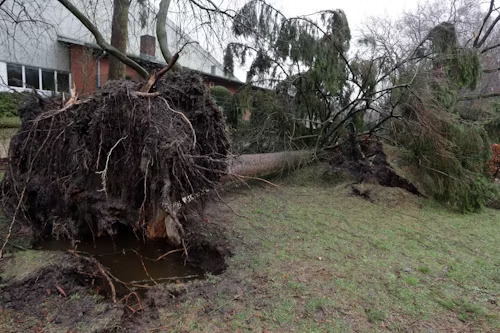
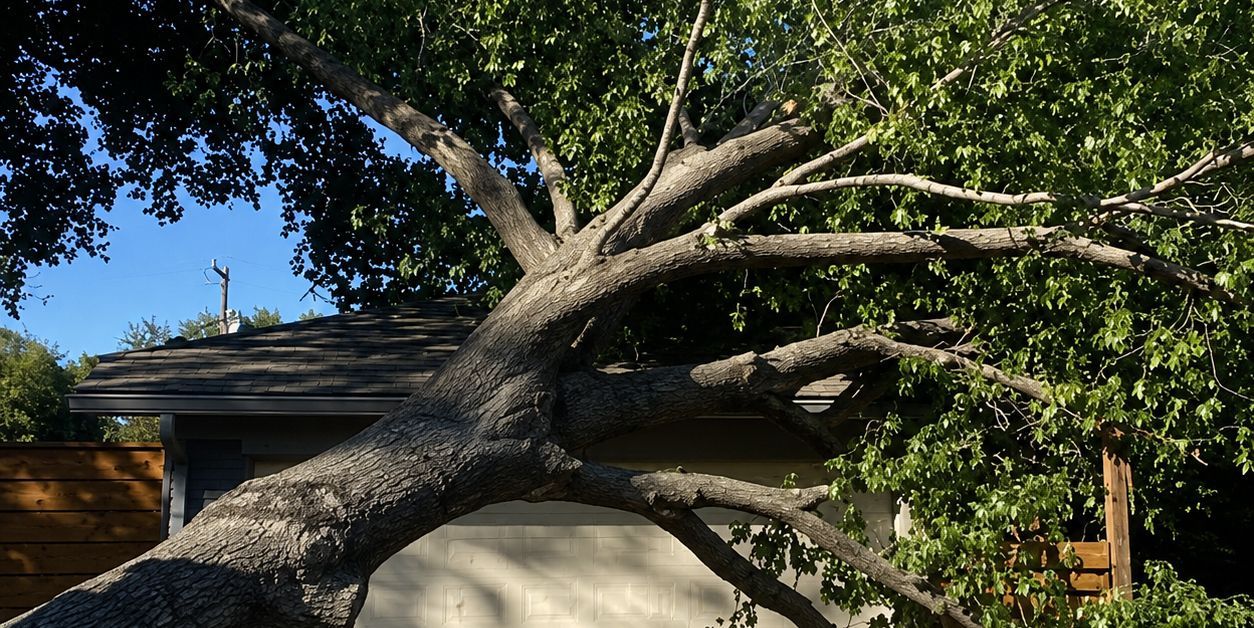
Dead trees can quickly become a serious liability on your property. Once a tree dies, its wood gradually becomes weaker and more vulnerable to decay, insects, disease, and structural failure. Although a dead tree may remain standing for some time, there is no reliable way to predict exactly when a limb or entire trunk could fall. Professional evaluation and timely removal can help protect your property and family from preventable hazards. At Arbor Pro Tree Service, our local arborists provide expert dead tree removal in the greater Moline, IL area. Here are four reasons why prompt dead tree removal is so important. Reduce the Risk of Falling Branches Dead branches become increasingly brittle as they deteriorate, making them more likely to break during wind and rain. Removing a dead tree eliminates the ongoing threat posed by its unstable branches and reduces the possibility of a bad accident. Protect Your Home and Property A dead tree located near your home, garage, driveway, or other structures can cause substantial damage if it falls. Even a single large branch can damage roofing, siding, or vehicles. Waiting for the tree to collapse before arranging removal can turn a manageable maintenance project into an expensive emergency. Professional removal allows the tree to be taken down in a controlled manner. Prevent Pest and Disease Problems Dead and decaying trees can provide shelter and food for insects, fungi, and other organisms. Depending on the tree and surrounding conditions, these problems may potentially affect nearby healthy trees. Removing a dead tree can eliminate a source of decaying wood and help maintain a healthier landscape. A tree professional can also recommend whether additional inspection or treatment is appropriate for nearby trees. Avoid Complicated Emergency Removal A dead tree that is left standing may eventually fall during a storm or high winds. Emergency tree removal can be more complicated when a fallen tree lands on a building, blocks access, or becomes entangled with utility lines. Planning removal in advance allows professionals to evaluate the site, determine the safest approach, and carefully dismantle the tree before it creates an emergency. Tree Removal in Moline, IL For expert tree removal in Moline, IL and the surrounding area, contact Arbor Pro Tree Service at 309-245-3751 . Feel free to give us a call to request a tree removal estimate in greater Moline!
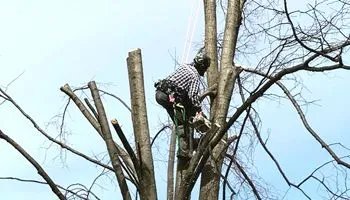
Whether a tree has been damaged by a storm, infected by disease, or has become a safety hazard, professional tree removal helps protect your property and those around it. Because tree removal is a significant project, many homeowners have questions about the process. At Arbor Pro Tree Service, our local arborists are happy to answer your questions about tree removal in the greater Moline, IL area. When Does a Tree Need to Be Removed? Not every unhealthy tree needs to be removed, but there are several situations where removal is the best option. Dead or dying trees, trees with severe structural damage, significant leaning, extensive decay, or major storm damage often pose serious safety risks. Trees growing too close to homes, utility lines, or other structures may also require removal. A professional arborist can inspect the tree and determine whether pruning, treatment, or complete removal is the safest course of action. Why Should I Hire a Professional Instead of Removing the Tree Myself? Tree removal is a dangerous job that requires specialized training and equipment. Large trees can weigh several tons, and falling limbs or trunks can cause severe injuries and extensive property damage if the removal is not carefully planned. Professional tree removal crews use specialized equipment to safely dismantle trees in a controlled manner. Hiring experienced professionals greatly reduces the risks associated with the job. What Happens During the Tree Removal Process? The process typically begins with a thorough evaluation of the tree and the surrounding property. The crew develops a removal plan based on the tree's size, condition, and location. Depending on the circumstances, the tree may be felled in one piece or carefully dismantled section by section. After the tree has been removed, the branches and trunk are cut into manageable pieces, debris is hauled away, and the work area is cleaned to leave your property neat and safe. Can the Stump Be Removed as Well? Yes. Stump grinding or complete stump removal are options. Removing the stump improves your property's appearance, eliminates a potential tripping hazard, discourages insect infestations, and creates space for new landscaping or lawn installation. Where Can I Find Professional Tree Removal in Moline, IL? For expert tree removal in Moline, IL and the surrounding area, contact Arbor Pro Tree Service at 309-245-3751 . Feel free to give us a call to request a tree removal estimate in greater Moline !
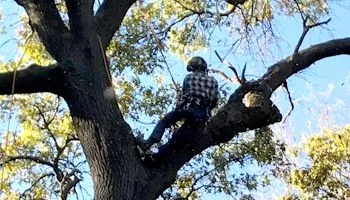
At Arbor Pro Tree Service, our team aims to always earn our clients’ complete satisfaction by providing expert tree work at fair rates, with service that is friendly and timely. Our local arborists will work meticulously to complete the job, whether you need several big trees removed or just some light trimming. And we appreciate it when our clients offer feedback. Here’s a look at some of our latest reviews. “Brandon and his team did a fantastic job trimming our trees—professional, efficient, and very thorough with cleanup. Their pricing was very reasonable, and the whole process was easy from start to finish. I would highly recommend them to anyone needing tree work!” — James E. “Excellent experience! We hired Brandon at Arbor Pro Tree Service to remove two trees and the crew did a great job. They were punctual, efficient, professional, and clearly very skilled. They completed the job quickly and left our yard cleaner than when they arrived. We would absolutely use them again and highly recommend them to anyone needing tree work.” — Bobbi F. “Brandon and his crew did a fantastic job trimming my trees on a steep hill. They were on time, worked quickly and cleaned up thoroughly. Price was very reasonable. Highly recommend!” — Diana H. “Arbor Pro took two trees down for us in an area that wasn't easily accessible. The crew did an excellent job. From our very first point of contact, through the completion of the job, they were amazing to work with.” — Shari C. “These guys were a life saver! We had a large section of our maple tree that had fallen and was in danger of doing some bad damage if not taken care of quickly. These guys were right on it! They were professional and quick! Thanks again! Great job!” — Ashley C. Arborist in Moline, IL For an experienced arborist in Moline, IL and the surrounding area, contact Arbor Pro Tree Service at 309-245-3751 . Feel free to give us a call to request a tree services estimate in greater Moline, IL !
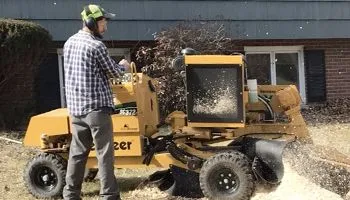
Get expert answers on stump grinding & removal. Contact Arbor Pro Tree Service for safe, professional services today!
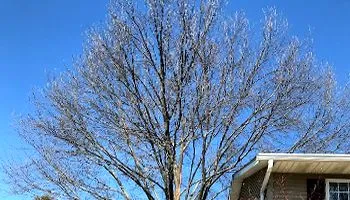
Hire an arborist for expert tree pruning. Ensure safety & enhance your landscape. Contact Arbor Pro Tree Service for a quote today!
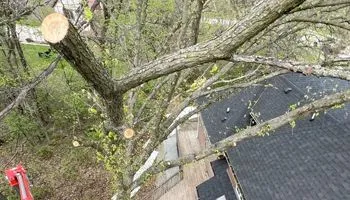
Identify signs of hazardous trees on your property. Contact Arbor Pro Tree Service for expert tree removal & trimming today!
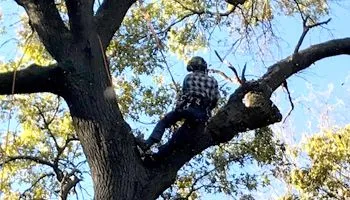
Professional tree pruning is an essential part of maintaining a healthy, attractive, and safe landscape. While many property owners understand that trimming trees can improve appearance, fewer realize how important proper pruning is for long-term tree health and structural stability. At Arbor Pro Tree Service, our local arborists are happy to answer your questions about professional tree pruning in the greater Moline, IL area. Why Is Professional Tree Pruning Important? Tree pruning is more than simply cutting back branches. When done correctly, it promotes healthy growth, removes diseased or damaged limbs, and improves a tree’s overall structure. Strategic pruning enhances air circulation and sunlight penetration, which can reduce the risk of fungal diseases and pest infestations. Proper trimming also prevents weak branch attachments that could fail during storms. Hiring a professional ensures that cuts are made in the right places to encourage strong, balanced growth rather than causing stress or long-term damage. When Is the Best Time to Prune Trees? In many cases, late winter or early spring is the ideal time for pruning because trees are dormant and cuts can heal quickly once growth resumes. However, timing can vary based on the tree species and the goal of the pruning. A knowledgeable professional will determine the optimal timing for your specific trees. Can Improper Pruning Harm a Tree? Yes, improper pruning techniques can seriously harm trees. Over-pruning, topping, or making incorrect cuts can weaken the tree’s structure and leave it vulnerable to disease and decay. Removing too much canopy at once may also stress the tree, reducing its ability to produce energy through photosynthesis. Professional tree care specialists understand proper pruning standards and use techniques that support long-term health. What Should You Expect from a Professional Tree Pruning Service? A reputable tree pruning service begins with a thorough assessment of each tree’s condition. The crew will identify dead, diseased, or hazardous branches and develop a plan to improve the tree’s structure and appearance. Professionals use specialized equipment and important safety practices to perform the work efficiently and protect surrounding property. After pruning, debris is removed, leaving the area looking neat. Where Can I Find Professional Tree Pruning in Moline, IL? For expert tree pruning services in Moline, IL and the surrounding area, contact Arbor Pro Tree Service at 309-245-3751 . Feel free to give us a call to arrange an arborist estimate in greater Moline !
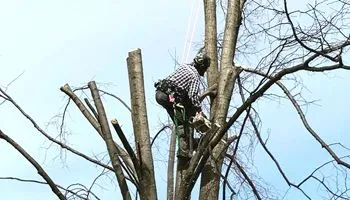
Hazardous trees pose a serious risk to people, property, and surrounding structures if they are not addressed promptly. Trees that are dead, damaged, or structurally compromised can fail without warning, especially during high winds. Because tree removal can be complex and potentially dangerous, homeowners often have questions about when removal is necessary and how the process works. At Arbor Pro Tree Service, our local arborists are happy to answer your questions about hazardous tree removal in the greater Moline, IL area. What Makes a Tree Hazardous? One of the most common questions homeowners ask is how to determine whether a tree is considered hazardous. Trees with extensive decay, large dead branches, split trunks, or severe root damage are often classified as dangerous. Leaning trees, especially those that have recently shifted, can also signal instability. In many cases, hazards are not easily identifiable, which is why professional evaluations are so important. When Should a Hazardous Tree Be Removed? Timing is a frequent concern when it comes to tree removal. A hazardous tree should be removed as soon as it poses a threat to people, buildings, power lines, or neighboring properties. Waiting too long can increase the risk of sudden failure, particularly during windstorms or periods of heavy rain. Proactive removal can prevent emergency situations that are more costly and stressful to handle. Can a Tree Be Saved Instead of Removed? Homeowners often wonder if removal is the only option. In some cases, targeted pruning or cabling can reduce risk and extend the life of a tree. However, if the structural integrity of the tree is severely compromised or if it is already dead, removal is typically the safest solution. How Is Hazardous Tree Removal Performed Safely? Safety is one of the biggest concerns surrounding hazardous tree removal. Professionals commonly use specialized equipment and techniques to carefully dismantle trees in controlled sections. This approach helps protect nearby structures, landscaping, and utilities. Trained crews also follow strict safety protocols to reduce the risk of injury or property damage during the removal process. Why Is Professional Tree Removal Important? Removing a dangerous tree requires experience, proper tools, and an understanding of tree behavior under stress. Attempting removal without training can lead to serious injuries or costly damage. Hiring a qualified tree service helps ensure the job is done safely and efficiently. Where Can I Find Hazardous Tree Removal in Moline, IL? For expert hazardous tree removal in Moline, IL and the surrounding area, contact Arbor Pro Tree Service at 309-245-3751 . Feel free to give us a call to request a tree removal estimate in greater Moline!
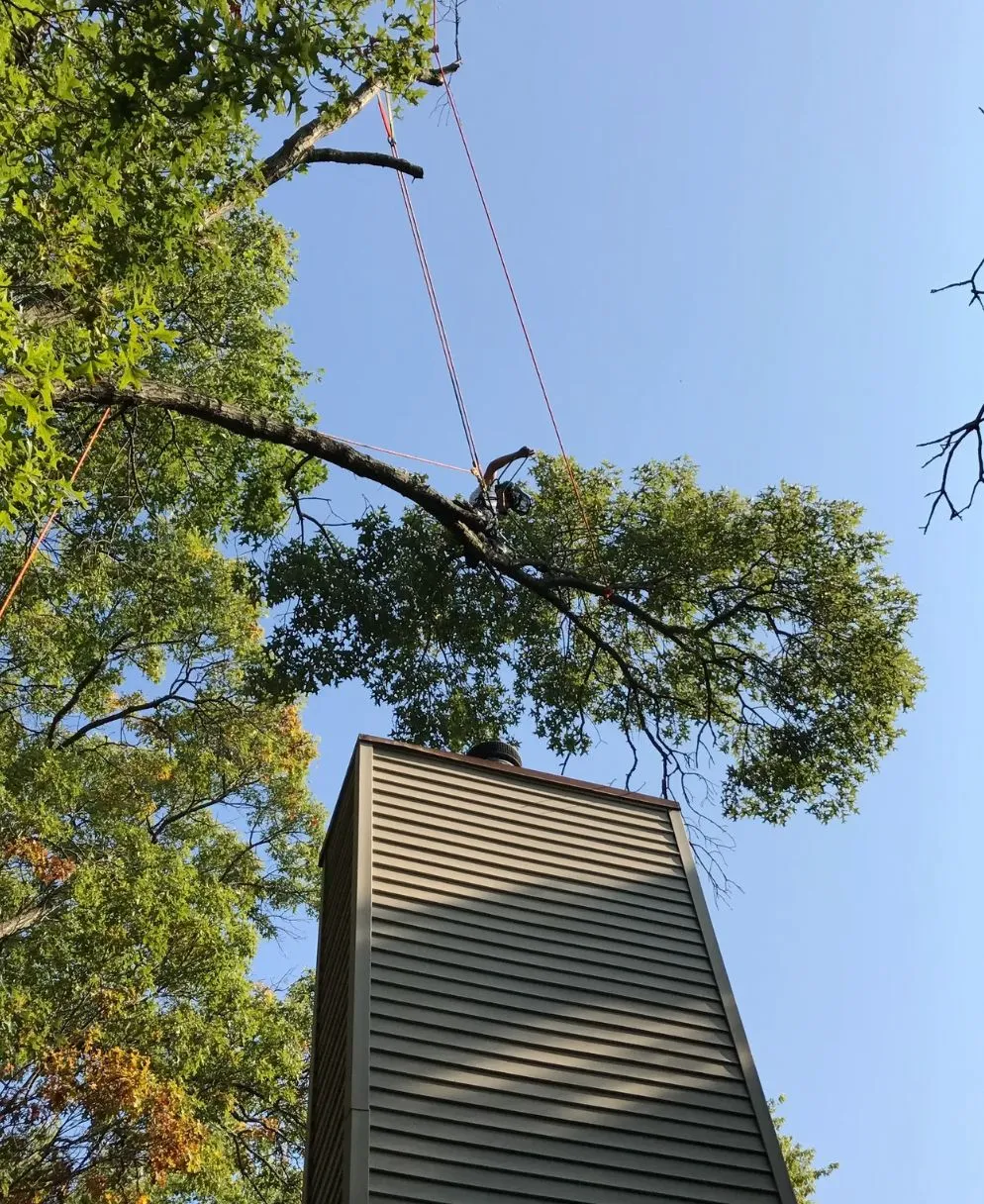
Severe storms can leave a lasting impact on the trees around your property. High winds, heavy rain, and lightning can cause damage that isn’t always immediately visible, putting your home, landscape, and family at risk. Even if a tree appears fine at first glance, underlying issues may compromise its stability. Having a professional arborist inspect storm-damaged trees is essential to ensure safety and protect your property. At Arbor Pro Tree Service, we can expertly inspect storm-damaged trees in your yard. Here are four reasons why experienced arborists should evaluate any trees that have suffered storm damage on your property. Identifies Hidden Structural Damage Storms can create structural problems that aren’t immediately obvious. Cracks in the trunk, split branches, or damaged roots may remain unnoticed to the untrained eye, but can significantly weaken a tree. A professional arborist is trained to spot subtle signs of damage that homeowners might miss, allowing you to address issues before they lead to dangerous failures. Reduces the Risk of Falling Branches or Trees Storm-damaged trees are at a higher risk of dropping limbs or toppling entirely. Weakened branches that seem stable can break unexpectedly, potentially causing injury or property damage. Arborists can assess which trees or branches pose immediate risks and recommend pruning or removal to prevent accidents, providing peace of mind during future storms or high winds. Prevents Pest and Disease Infestation Damage from storms creates entry points for insects, fungi, and other pathogens. Without intervention, these problems can spread, further weakening the tree and potentially affecting nearby plants. Arborists can identify vulnerable areas and recommend treatments to prevent infestations, helping maintain a healthy yard. Promotes Tree Health and Recovery Not every storm-damaged tree needs to be removed. In many cases, proper care such as pruning, bracing, or treatment can help a tree recover. A professional arborist can determine which trees can be saved and provide guidance on interventions that support long-term health, helping preserve valuable trees and enhancing the overall landscape. Arborist in Moline, IL For an experienced arborist in Moline, IL and the surrounding area, contact Arbor Pro Tree Service at 309-245-3751 . Feel free to give us a call to ask for a tree services estimate in greater Moline!
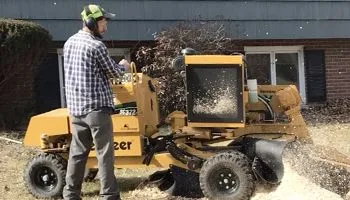
After a tree is cut down, the remaining stump may seem harmless enough—but leaving it in place can actually create significant problems. From safety concerns to property value, those leftover stumps can negatively affect both the look and function of your yard. At Arbor Pro Tree Service, we provide expert stump grinding and removal in the greater Moline, IL area. Here are five important reasons why it’s worth removing tree stumps. Eliminate Safety Hazards Stumps can easily blend into the landscape, especially when grass or weeds grow around them, making them tripping hazards for children, guests, and anyone walking across your yard. They can also pose obstacles when mowing, causing damage to equipment or creating unexpected jolts that could lead to injury. Removing stumps ensures a safer, smoother lawn that’s easier and safer to navigate. Prevent Pest Infestations Tree stumps naturally decay over time, and decaying wood becomes an ideal home for pests such as termites, ants, and other wood-boring insects. These pests don’t just stay in the stump—eventually, they may migrate to nearby healthy trees or even your home. By removing the stump before it becomes a nesting ground, you can reduce the risk of pest infestations and protect your property from damage. Enhance Curb Appeal Even a single stump can disrupt the overall look of an otherwise attractive yard. Stumps can appear unkempt, lowering your property’s curb appeal. This can be especially important if you’re planning to sell your home or simply want your outdoor space to look its best. Removing stumps instantly tidies up the yard, giving it a smoother appearance. Prevent Regrowth Many homeowners are surprised to find sprouts shooting up from an old stump long after the tree was cut down. These shoots are not only unattractive—they can drain nutrients from surrounding plants and create a constant maintenance headache. Stump removal eliminates the roots’ ability to regenerate, preventing these unwanted growth spurts. Stumps Limit Landscaping and Usable Space Tree stumps take up valuable yard space that could be used for new plantings, garden beds, patios, or outdoor living features. Their roots may also interfere with soil grading or future landscaping projects. By removing the stump, you reclaim usable square footage and open the door to new design possibilities. Whether you want to plant a new tree or expand your garden, stump removal gives you a cleaner slate to work with. Stump Grinding & Removal in Moline, IL For expert stump removal in Moline and the surrounding area, contact Arbor Pro Tree Service at 309-245-3751 . Feel free to give us a call to request a tree removal estimate in greater Moline!